From Shipyard Grit to Etched Glass: How Sandblasting Found a Home in Britain
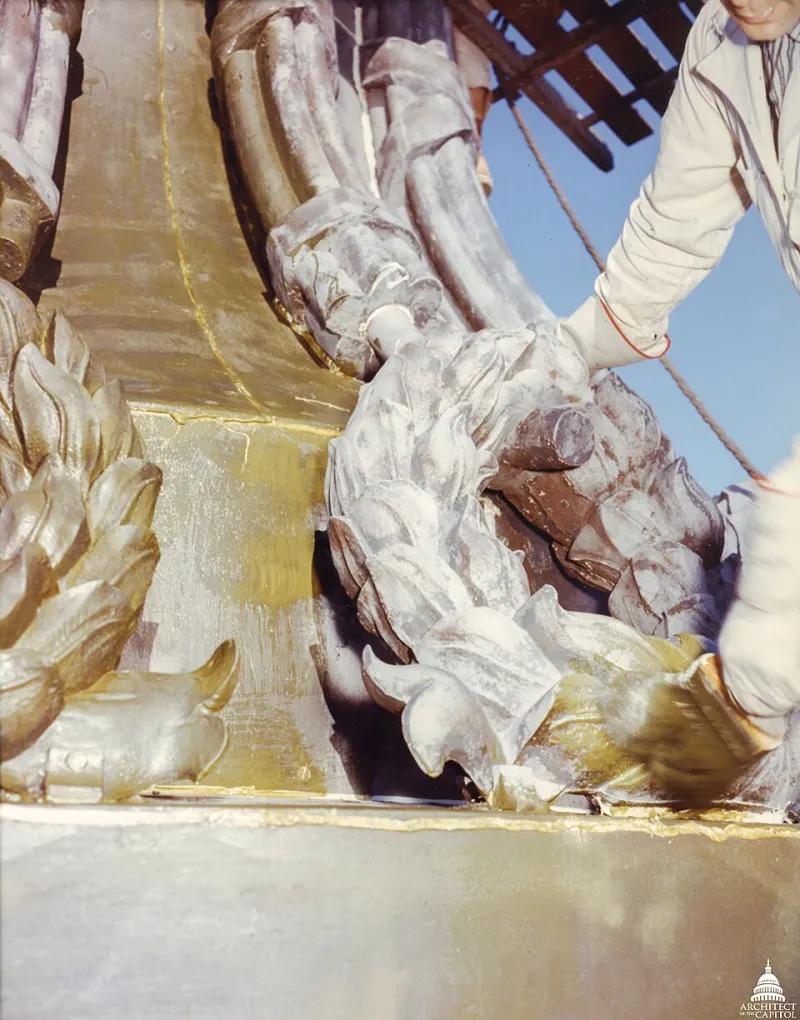
Photo: USCapitol, Public domain, via Wikimedia Commons
Sandblasting has a reputation problem. Say the word and most people picture a bloke in a protective hood, a shipping container full of dust and a lump of metal being cleaned back to bare steel. Fair enough. That is where the technique came from. But in Britain, the same process has spent more than a century creeping out of the factory and into places where people stop, look and read: pub windows, memorial stones, office partitions, house names and shopfronts.
The story is not a straight line from shipyard to craft studio. It is more like a series of sideways moves, each one driven by a practical problem. How do you mark glass without painting it? How do you cut lettering into stone that will last longer than the person who commissioned it? How do you make a sign that feels made rather than manufactured? Sandblasting answered those questions with grit.
Before the cabinet: factory floors and shipyards
The basic idea is simple: fire abrasive particles at a surface at speed and let physics do the carving. Early industrial versions were used to clean castings, remove scale and prepare metal for painting. In Britain, that meant foundries, engineering works and shipyards, particularly around the Clyde, the Tyne and Belfast. The process was fast, brutal and effective. It was maintenance, not marketing.
That industrial pedigree matters. Sandblasting did not arrive as a decorative technique looking for a trend. It arrived as a workhorse. The people using it were solving problems of corrosion, surface finish and speed. The fact that the same action could frost glass or carve stone was almost a by-product. Once someone realised that a stencil could control where the grit landed, the decorative door opened.
The move onto glass
Glass is where sandblasting starts to feel British in a very specific way. Think of the frosted bands above pub windows, the etched brewery names, the privacy panels in Victorian and Edwardian buildings, the house names on suburban front doors. Sandblasting gave glass a surface that was translucent rather than transparent. It let light in but kept eyes out. It also gave signwriters a way to put a mark on glass that would not wash off, peel or fade in the same way as paint.
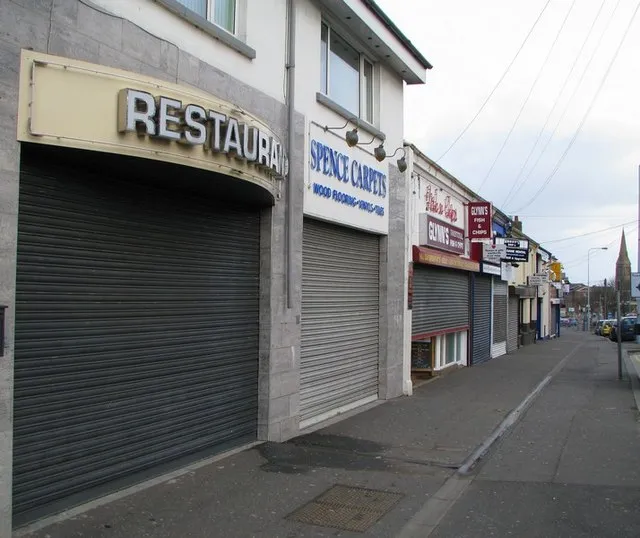
The technique suited the British high street because it was discreet. An etched logo on a glass door does not shout. It catches the light, changes as you walk past and looks as if it belongs to the building rather than being stuck onto it. That quality still appeals. In conservation areas and on listed buildings, where bulky signs can be a hard sell, a sandblasted glass panel can deliver a message without adding clutter.
Memorials, stone and the long view
Away from the high street, sandblasting became a staple of memorial masonry. Granite and slate are hard materials, and hand-cutting lettering is slow, skilled work. Sandblasting offered a way to cut deep, consistent letters into stone with a stencil and a steady hand. In churchyards and cemeteries across the UK, the result is all around us: clean, legible inscriptions that have survived decades of rain, frost and pollution.
That is not to say the process is crude. The craft is in the mask, the pressure, the grit size and the depth of cut. A shallow blast can leave a gentle frost. A deeper cut can create shadow and weight. On stone, the difference between a good job and a bad one is often measured in millimetres. The machine does the throwing, but the maker does the thinking.
The craft revival in small workshops
By the time vinyl cutters and digital printers arrived, sandblasting could easily have been relegated to industrial cleaning. Instead, it found a second life in small workshops. Designers and sign makers began using photoresist masks and hand-cut stencils to blast logos, patterns and lettering into glass, stone, wood and metal. The process became a way to make something that felt tactile in a world of flat, printed graphics.
There is a reason UK businesses still ask for it. A sandblasted sign has depth. You can feel the difference with a fingertip. It does not rely on a layer of ink sitting on top of a surface. On glass, it is part of the glass. On stone, it is part of the stone. That permanence suits businesses that want a shopfront to look settled rather than shrink-wrapped.
Why grit still matters
Sandblasting is not the cheapest way to put a name on a window. It is not the fastest. It requires masking, preparation and a workshop that knows what different materials will do under pressure. But it offers something that machine-printed signage often struggles to match: a sense of make. A slightly imperfect edge. A surface that responds to light. A sign that looks like it was made for the building, not ordered from a catalogue.
In 2026, that matters. Independent businesses are competing with national chains and online retailers, and many are trying to make their physical spaces feel more human. A sandblasted glass panel, a carved stone nameplate or an etched metal plaque can do that quietly. It does not need to be vintage. It does not need to be fussy. It just needs to be honest about how it was made.
The glory of sandblasting is not in the grit itself. It is in what the grit reveals. A surface that was blank becomes legible. A material that was ordinary becomes specific. And a process that started in the shipyards ends up on the high street, doing the same job it always did: making a mark that lasts.