Consent, Conservation and Craft: Signing a Heritage Shopfront Without Losing the Plot
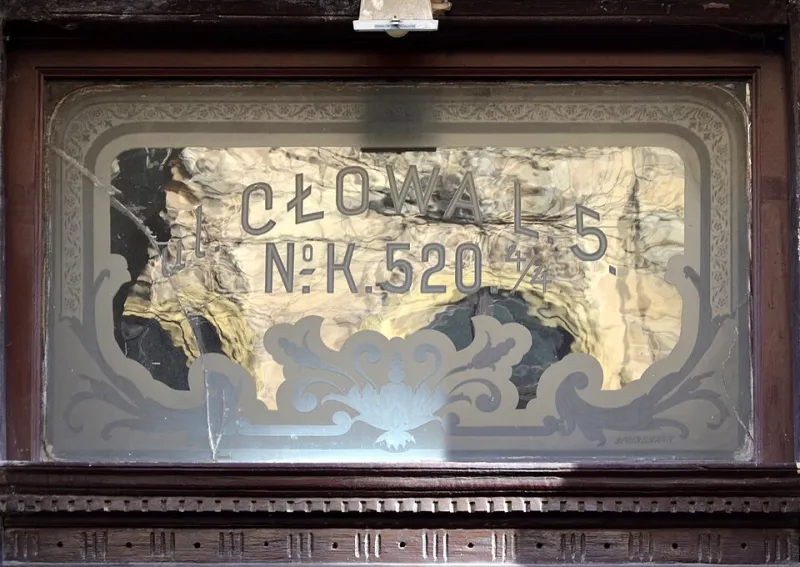
Photo: Aeou, CC BY 3.0, via Wikimedia Commons
You have found the right premises: wonky beams, old glass, maybe a ghost sign under the paint. Then someone mentions listed building consent and the mood drops. It does not have to be a slog. Heritage signage is often where sandblasting earns its keep: quiet lettering, good texture, and a fixing strategy that can be undone. This is a practical guide, not legal advice.
First, work out what you are dealing with
A listed building and a conservation area are different things, and they trigger different permissions. Listed building consent is usually needed for works that affect the character of a listed building. That can include a new sign, new fixing holes, painting over historic surfaces, removing old lettering or covering original glass. In a conservation area, you may need planning permission for some external alterations and advertisement consent for the sign itself. If the building is listed, do not assume a small plaque is exempt. If it is not listed but sits in a conservation area, do not assume you can screw a panel to the wall without a conversation.
Start with the local planning authority. Ask for the conservation officer and check the property's listing description. Also check your lease: the landlord may have their own rules about fixings and insurance. Do this before you order samples, not after.
When listed building consent is likely to be needed
Think about anything that touches historic fabric. Drilling into stone, brick or old timber usually counts. So does covering a historic fascia, removing a sign that has been there for decades, or changing the look of a shopfront in a way that affects the building's character. Illuminated signs, projecting signs and large panels attract more scrutiny. So do materials that look out of place.
In England, listed building consent applications are often free, but advertisement consent and planning applications can carry fees. Rules differ across the UK, so check the relevant authority. The bigger cost is usually time, not the form. A sensible application pack can save weeks of back and forth.
How to brief a conservation officer
Conservation officers are busy and they see a lot of vague proposals. Help them help you. Bring clear photos of the existing sign, the wider street and the building. Include simple drawings to scale. Show where the sign will sit and how it will be fixed. Bring material samples: oak, slate, brass, sandblasted glass. Explain what is wrong with the current sign, if anything, and why your proposal is better for the building.
Be specific. Instead of saying you want something tasteful, say: we propose sandblasted oak lettering, 1800mm wide, fixed into the existing holes with stainless steel screws, finished in a matt black paint, with no illumination. That is a brief an officer can assess. A mock-up or a sample panel is even better. Show that the work is reversible and that you are not hiding the building's history.
Materials that tend to keep everyone happy
Heritage settings usually reward natural materials and honest finishes. Sandblasted glass can work beautifully for interior screens, door panels and window graphics, but for exterior fascia lettering you might be looking at hardwood, slate, brass, bronze or stone. Painted sandblasted timber is a good middle ground: the lettering has depth, but the colour can sit comfortably with the shopfront.
Avoid shiny plastic if the building is sensitive. Avoid covering original features. If you need illumination, keep it discreet, warm and directed at the sign rather than the street. Some conservation officers will accept modern materials if the design is excellent, but do not lead with acrylic and hope for the best.
Fixings: the reversible rule
Try to use existing holes. If you need new ones, keep them minimal and avoid historic stone faces. An independent frame fixed to non-historic elements can be better than drilling the original shopfront. Use stainless steel fixings and isolate dissimilar metals to avoid corrosion. Avoid adhesives that stain or pull away historic surfaces. The test is simple: if the sign had to come down in ten years, could the building be put back without damage?
The application pack
A good pack usually includes a location plan, photos, scaled drawings, a short heritage statement, material samples and fixing details. If the sign needs advertisement consent, include that too. Timelines vary, but eight weeks is a common planning period, so build it into your opening plan. Talk to neighbours early. A well-explained sign is less likely to attract objections than a surprise panel.
Where sandblasting earns its keep
Sandblasting gives you depth, shadow and a surface that looks made rather than applied. On a heritage shopfront, that can mean lettering that feels part of the building instead of stuck on top. It also gives you options: etched glass for privacy, carved timber for warmth, deep-cut slate for a professional practice. It is not always the cheapest route, and it is not right for every temporary lease. But for a permanent sign in a sensitive area, it is often the option that satisfies both the planner and the person paying for it.
Start early, ask questions, keep it reversible, and do not order anything until you have had the conversation. Good heritage signage is not about pretending nothing has changed. It is about making a change that respects the building and can be undone.