Made, Not Applied: The Case for Sandblasted Lettering on the 2026 High Street
Photo: sandblasted wooden shop sign UK high street independent shopfront, via pbs.twimg.com
Walk down any UK high street in 2026 and you will see the same sign. Flat cut vinyl on a fascia. Acrylic letters stuck to a panel. A printed graphic wrapped around a window. None of it is evil. It is fast, cheap and precise. But it has become the default, and defaults deserve a challenge. This is not a ban on vinyl. It is a case for sandblasted lettering where a sign has to do more than tick a box.
The vinyl default
Vinyl does a lot well. It is ideal for a pop-up, a market stall, a temporary event or a tight budget. Acrylic letters can look sharp on the right shopfront. The problem is not the material itself. The problem is how often it is used without a second thought. A flat printed panel on a 1930s timber shopfront can feel like a sticker on a piece of furniture. It can peel at the edges, fade in the sun and look tired long before the business does.
What sandblasting does differently
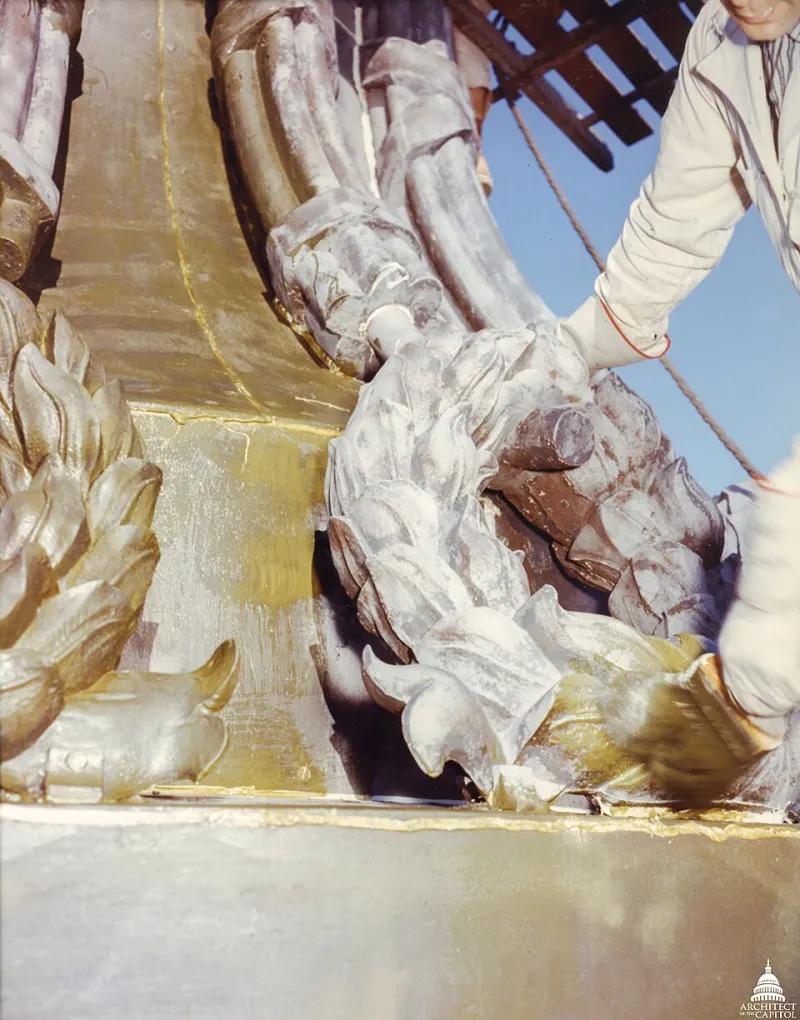
Sandblasting is abrasive etching. A resist mask is cut, grit is fired at the surface, and the lettering is cut into the material. That might be glass, timber, slate, brass or stone. The result has depth. It casts a small shadow. It changes how light sits on the sign. It looks made, not applied.
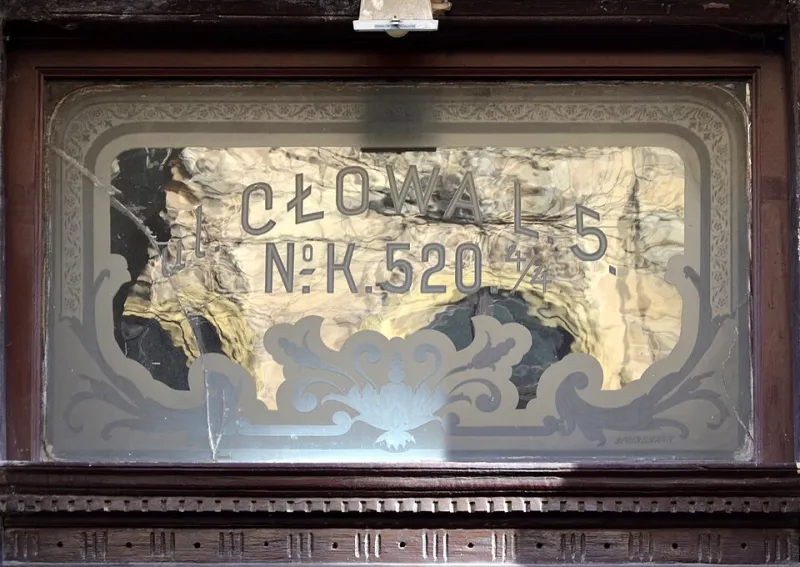
This is not a nostalgic trick. Abrasive blasting was patented in the late 19th century and quickly found work in glass etching and stone lettering. British high streets have used sandblasted glass for decades: house numbers, pub windows, office doors, shopfront panels. It is a craft with a practical history, not a heritage theme park.
Texture is quiet brand trust
A sign that looks made suggests someone thought about it. That matters for independent businesses. You are asking people to trust you with their lunch, their hair, their books, their money or their time. A sandblasted sign does not shout. It says the business is settled. It says the shopfront belongs to the building. It says someone cared enough to cut the letters rather than print them.
That is not a guarantee of quality, of course. A bad sandblasted sign is still a bad sign. But the texture and depth give you something vinyl cannot: a surface that ages with the material. Brass patinates. Oak darkens. Glass keeps its edge. The sign can be repaired and refinished rather than peeled off and binned.
The honest bit: cost and turnaround
Sandblasting costs more than vinyl. It takes longer. There is design work, mask cutting, blasting, painting or finishing, and installation. If you need a sign next week, vinyl wins. If you are on a three-month lease, do not commission a carved stone plaque. If the budget is genuinely tight, a well-made vinyl sign is better than a bad craft sign.
But compare like for like. Vinyl may need replacing every few years. A sandblasted glass or hardwood sign can last decades if it is looked after. The cost per year can be much closer than the sticker price suggests. The real question is how long you plan to be there and how much the sign matters to the way people read your business.
Where sandblasting earns its keep
The independent café with a timber shopfront. The barber with a glass door. The bookshop that has been on the same street for twenty years. The gastropub that wants a sign you can read from the pavement without it looking like a flyer. The deli, the farm shop, the dentist, the solicitor, the small hotel. Anywhere the sign is part of the building rather than a temporary label.
It also works inside. Sandblasted glass partitions, door numbers, wayfinding and window graphics can give a workspace texture without clutter. In a conservation area, sandblasted lettering is often the easiest way to get depth and character past a conservation officer, because it respects the material and can be fixed reversibly.
The manifesto in practice
Use vinyl where it makes sense. Use sandblasting where permanence matters. Ask three questions before you order any sign. Will this still look right in five years? Can it be repaired? Does it feel like it belongs to the building? If the answers point towards craft, sandblasting is worth the extra time.
The UK high street does not need every shop to look like a museum. It needs signs with a bit of character, made by people who understand materials. Sandblasted lettering is not the only answer, but it is still one of the best. A sign that has been cut into the surface carries a quiet confidence that a printed panel cannot copy. And in 2026, that confidence is worth paying for.