Grit or Stick? Seven Places Sandblasting Earns Its Keep — and Three Where Vinyl Wins
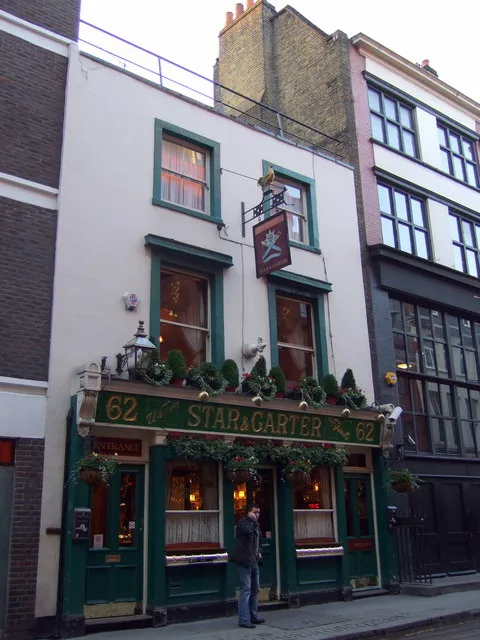
Photo: ceridwen, CC BY-SA 2.0, via Wikimedia Commons
Sandblasting versus vinyl is not a morality tale. One is a craft method that cuts or etches into a substrate; the other is an applied graphic that can be printed, cut and stuck in an afternoon. Vinyl is not automatically cheap and nasty, and sandblasting is not automatically the premium answer. The right choice depends on how long the sign needs to last, what it is going on, how complex the artwork is, who will clean it, and whether the building has any heritage constraints.
For UK businesses, the practical question is usually simpler: will the sign still look right after a few British winters, and does the method suit the substrate? Here are seven sign types where sandblasting tends to earn its keep, followed by three where vinyl is often the better tool.
Seven where sandblasting earns its keep
1. Pub fascias in painted timber
A traditional pub fascia wants depth, texture and a finish that can be repainted rather than replaced. Sandblasted lettering in timber gives crisp relief that catches the light and reads well from the pavement. Vinyl can look sharp on day one, but edges lift with steam, cleaning and repeated wetting. A sandblasted fascia can be rubbed back and repainted as part of routine maintenance. It needs sound timber and a proper coating system, but where the building is worth the investment, the method suits the job.
2. Memorial plaques in slate, granite or stone
Permanence matters here. Sandblasted lettering in stone avoids adhesive edges, peeling graphics and the slightly stuck-on look that vinyl can have on rough or textured surfaces. It also handles weather without bubbling. The lettering can be filled with a contrasting paint or left as a shadow cut, depending on the finish required. For churchyards, civic spaces and private memorials, the craft method is usually the more respectful choice.
3. Etched glass for office partitions and reception screens
Frosted glass gives privacy without blocking light, and sandblasted etching is a durable way to achieve it. Vinyl privacy film is perfectly workable, but it can bubble, peel at the edges and show wear in busy areas. Etched glass is cleaned like glass and does not have an adhesive line to trap dirt. Keep the artwork reasonably simple and the result is a clean, architectural finish that suits a hybrid office or professional reception.
4. Workshop and industrial unit signage on metal
On prepared metal, a blasted and coated sign can take knocks that would ruin a vinyl graphic. Dusty workshops, forklift traffic and pressure washing are unkind to applied films. Sandblasting plus a suitable primer and topcoat gives a tough surface with lettering that is part of the panel rather than sitting on top of it. The key is proper surface preparation and a coating spec that matches the environment.
5. Heritage shopfronts and conservation-area stone
In sensitive locations, vinyl can look like a temporary layer stuck over historic fabric. Sandblasted lettering into stone or timber can feel more integrated, and it avoids leaving adhesive residue on surfaces that may need to breathe. That does not remove the need for listed building consent or conservation advice, and it does not make every old surface suitable for abrasion. But where the fabric can take it, the craft approach often sits more comfortably with a heritage shopfront.
6. Residential estate entrance markers and house names in stone
Rough stone, slate and masonry are awkward hosts for vinyl. The adhesive cannot grip properly, edges catch, and the graphic can look fussy against a textured surface. Sandblasted lettering cuts cleanly into the material and can be left unpainted or filled for contrast. For estate entrances, gateposts and house names that are meant to stay put, the method is a sound long-term choice.
7. Public building wayfinding in stone or slate
High-traffic public buildings need signs that can be cleaned, touched and occasionally leaned against without falling apart. Sandblasted stone or slate wayfinding is robust, legible and low-maintenance. It also works well for tactile or high-contrast requirements when specified properly. Vinyl can do the job in the short term, but in a busy entrance hall the craft method usually ages better.
Three where vinyl wins
1. Short-term retail window promotions
Seasonal offers, sale graphics and event posters are not meant to last. Vinyl is quick to produce, easy to apply and straightforward to remove. Sandblasting glass is permanent or expensive to reverse, which is exactly wrong for a campaign that changes in six weeks. For window graphics with a short shelf life, vinyl is the sensible tool.
2. Complex multicolour logos and fine gradients
Sandblasting is excellent at depth, texture and single-colour contrast. It is less good at reproducing a logo with six colours, soft gradients and very fine detail. Printed vinyl can handle that complexity at a fraction of the setup cost. If the artwork is intricate or the brand palette is broad, an applied graphic is often the more faithful reproduction.
3. Tight-budget pop-ups, internal flat panels and temporary events
Not every sign needs to survive a decade. A pop-up shop, a market stall, a temporary office or an internal notice panel may only be in place for months. Vinyl gives a good result at a low entry price, with fast turnaround and minimal disruption. Sandblasting involves setup, lead time and a substrate that justifies the expense. When the lease is short or the budget is tight, vinyl is not a compromise; it is the right call.
How to choose without getting precious
Ask five questions before deciding. How long will the sign be in place? What is it going on? How complex is the artwork? Who will clean it, and with what? Does the building need consent or conservation input? If the sign is meant to stay put, the substrate is part of the design, and the lettering needs to survive cleaning and weather, sandblasting often justifies its cost. If the message is temporary, the artwork is detailed, or the budget is fixed, vinyl will usually do a better job of the job at hand.
There is also a middle path: use each method where it plays to its strengths. A sandblasted stone plaque at the entrance and vinyl graphics in the window can sit happily on the same site. The craft method earns its cost when the sign is part of the fabric of the building. The applied method earns its place when speed, flexibility and budget matter more than permanence.